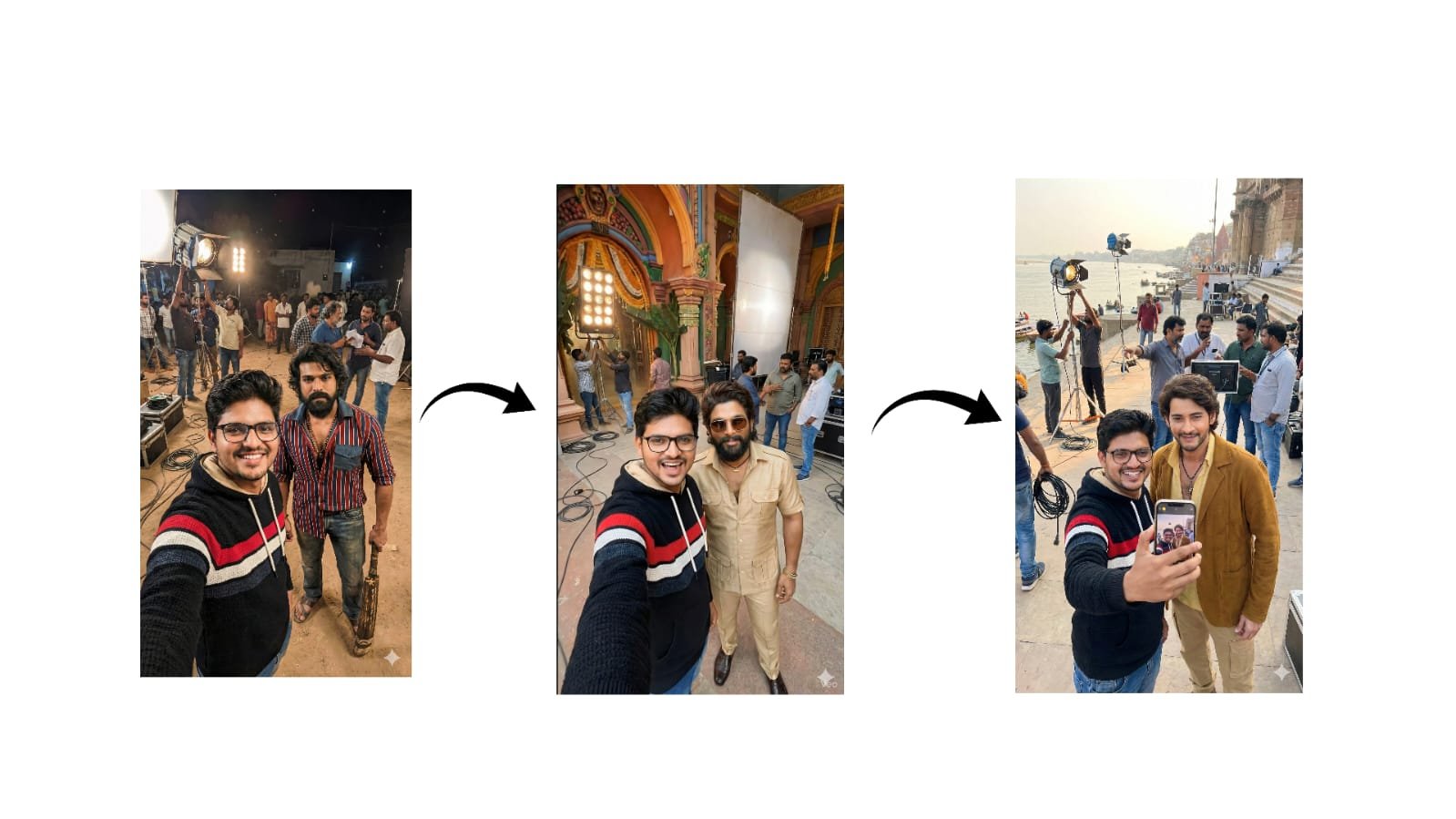
Business Loan Planning in India 2025 Selfie gemini ai GEMINI
In 2025, business loans have become a lifeline for MSMEs, startups, traders, transport operators, shop owners, and self-employed professionals in India, but poor loan planning, over-borrowing, and lack of financial discipline often turn these loans into long-term liabilities instead of growth tools, making smart business loan planning essential for sustainable profitability and financial stability. Business loans in India come in many forms—working capital loans, term loans, overdrafts, cash credit, machinery loans, invoice discounting, and unsecured digital loans—and choosing the wrong type for a specific business need is one of the most common mistakes that leads to high interest costs and cash-flow stress. The first rule of business loan planning is borrowing only for productive purposes that generate returns higher than the loan interest, such as inventory expansion, equipment upgrades, process automation, or market expansion, rather than for personal expenses or gap-filling poor cash management.
Interest rate optimization plays a crucial role in business loan success; unsecured loans typically carry higher interest rates due to increased lender risk, while secured loans backed by property, equipment, or receivables offer significantly lower rates, so whenever possible, businesses should prefer secured or partially secured facilities to reduce cost. Maintaining a strong credit profile is critical in 2025, as lenders rely heavily on CIBIL and commercial credit scores to determine pricing; timely repayment, clean banking history, and controlled debt levels improve eligibility for lower interest rates and higher credit limits. Many businesses damage their credit unknowingly by delaying EMIs during slow months, ignoring small overdraft excesses, or relying on multiple short-term digital loans, all of which raise red flags for lenders
Cash-flow alignment is the backbone of business loan planning; EMIs must match realistic monthly inflows rather than optimistic projections, especially in seasonal businesses where revenue fluctuates. Businesses should always maintain an EMI buffer of at least two to three months to handle temporary slowdowns without defaulting. Loan tenure selection also impacts financial health; while longer tenures reduce EMI pressure, they increase total interest outgo, so businesses should aim to shorten tenure through periodic prepayments during high-profit periods. Many lenders allow part-prepayments without penalty, and using surplus cash to reduce principal early significantly lowers total interest burden due to amortization structure.
Government-backed schemes like Mudra, CGTMSE, Stand-Up India, and SIDBI refinancing play a vital role in reducing borrowing costs for eligible MSMEs by offering collateral-free loans, interest subsidies, or credit guarantees, but lack of awareness prevents many businesses from benefiting from these schemes. Proper documentation—GST returns, ITR filings, audited financials, and bank statements—improves loan approval chances and pricing, while poor record-keeping forces businesses into high-interest informal borrowing. Separating business and personal finances is another critical discipline; mixing accounts confuses lenders, weakens cash-flow analysis, and limits access to structured credit, while dedicated business accounts enhance credibility and transparency.
Digital lending platforms have improved speed and access in 2025, but they often charge higher interest and fees, making them suitable only for short-term needs; businesses should use them strategically rather than as permanent financing solutions. Loan restructuring and moratorium options can provide temporary relief during genuine distress, but repeated restructuring damages creditworthiness and increases long-term costs, so it should be a last resort rather than a routine strategy. Insurance and risk management also support loan stability; protecting assets, key personnel, and revenue streams ensures that unexpected events do not disrupt repayment capacity.
Tax planning intersects with business loan management as well; interest paid on business loans is generally deductible as a business expense, reducing taxable profits, but only when loans are used for legitimate business purposes and properly documented. Monitoring loan statements regularly helps identify excess charges, incorrect interest application, or missed credits, enabling timely correction and preventing disputes. As businesses grow, refinancing or consolidating loans into lower-cost facilities improves cash flow and simplifies repayment.
Ultimately, smart business loan planning in India 2025 is about using debt as a growth enabler, not a survival crutch, by aligning borrowing with revenue generation, controlling interest costs, maintaining disciplined repayment, and leveraging formal credit channels effectively. Businesses that plan loans strategically, maintain clean financial records, and adapt financing structures to changing needs build resilience, profitability, and long-term credibility, positioning themselves for sustainable growth in an increasingly competitive and regulated economic environment.
Photo prompt (gemini ai)
Create a realistic, high-fidelity (8K) Uploaded image based on the attached reference photo. Same dress
Maintain the exact facial features, skin tone, bone structure, hairstyle, and expression of the attached person, with no alteration or face swapping.
The attached person is taking a selfie with [NAME], standing at [Set/MOVIE NAME].
Crew members are adjusting internal lighting and equipment, with cables and gear visible. Directors and managers are standing behind, discussing the next take. Photo size 9:16
Video Prompt ( Flow ai)
The guy takes a selfie and walks to the next set with a smile, in excitement while vlogging while he holds the camera which is locked on his face, and takes a selfie again. Crew working on set in the background. No talking.


















Post Comment