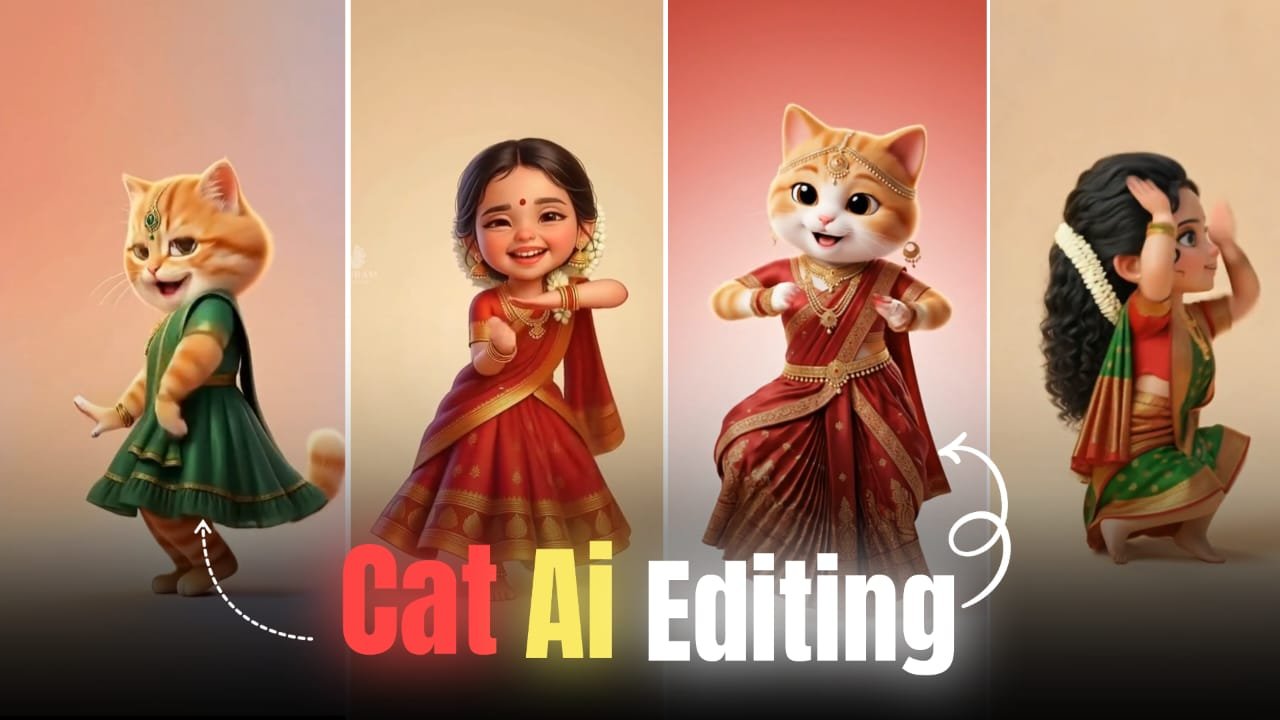
Bank Loan Eligibility in India Gemini ai Cat child
In 2025, bank loan eligibility in India has become far more data-driven and structured than ever before, with lenders relying heavily on credit scores, banking behavior, income stability, digital footprints, and compliance history to decide not only whether a loan is approved but also the interest rate, tenure, and loan amount, making it essential for borrowers to understand how eligibility actually works rather than assuming approval depends only on salary or income. Loan eligibility is determined by multiple factors including credit score, existing liabilities, income consistency, employment type, business stability, bank statement patterns, tax filings, age, and repayment capacity, and even small weaknesses in any of these areas can reduce approval chances or increase borrowing costs significantly. One of the most critical eligibility factors is credit score, with scores above 750 considered ideal in 2025, unlocking lower interest rates and faster approvals, while scores below 650 often result in rejection or high-risk pricing; maintaining timely EMI payments, low credit utilization, and clean repayment history is therefore non-negotiable for serious borrowers.
Income quality matters as much as income amount; salaried individuals with stable employment, regular salary credits, and reputed employers enjoy higher eligibility compared to those with frequent job changes or irregular income, while self-employed professionals and business owners are evaluated based on GST returns, ITR consistency, profit margins, cash flow stability, and business vintage. Banks also analyze fixed obligations to income ratio (FOIR), ensuring that total EMIs do not exceed a safe percentage of monthly income, and borrowers with high existing EMIs often face reduced eligibility even if income is strong. Reducing outstanding debts, closing small loans, or restructuring high-interest liabilities before applying significantly improves eligibility and negotiation power.
Bank statement behavior is increasingly important in 2025; frequent cash deposits, cheque bounces, overdraft usage, and inconsistent balances raise red flags, while clean statements with regular inflows, low reversals, and disciplined spending strengthen lender confidence. Many borrowers unknowingly harm eligibility by maintaining poor banking habits despite having good income. Proper tax compliance also plays a major role; mismatches between bank income and ITR figures, late filings, or under-reporting income trigger scrutiny and reduce approved loan amounts, making accurate and timely tax filing essential for loan success.
Loan type selection affects eligibility outcomes; secured loans such as home loans, loans against property, or vehicle loans offer higher approval chances and lower interest rates compared to unsecured personal loans, because collateral reduces lender risk. Choosing realistic loan amounts aligned with repayment capacity improves approval speed, while applying for inflated amounts often leads to rejection or counteroffers at unfavorable terms. Applying with multiple lenders simultaneously harms eligibility due to multiple hard inquiries, so borrowers should pre-check eligibility using soft checks or approach lenders selectively.
Co-applicants and guarantors can significantly enhance eligibility when used correctly; adding a spouse with income, a family member with strong credit, or a business partner improves combined repayment capacity, but also creates shared liability, so legal clarity and financial compatibility are essential. Documentation accuracy is another decisive factor; mismatched names, address differences, outdated KYC, or incomplete records delay approvals and sometimes cause rejection despite otherwise strong profiles. Digital lending in 2025 has improved speed, but automated systems are unforgiving of inconsistencies, making accuracy critical.
Interest rate negotiation is closely linked to eligibility strength; borrowers with strong profiles can negotiate processing fees, interest margins, prepayment terms, and tenure flexibility, while weaker profiles have little bargaining power. Maintaining long-term relationships with banks through salary accounts, business accounts, or previous clean loans improves trust and eligibility outcomes. Preparing financially before applying—by cleaning credit reports, stabilizing income, organizing documents, and reducing liabilities—is far more effective than reacting after rejection.
Ultimately, improving bank loan eligibility in India 2025 is about financial discipline, transparency, and preparation, not shortcuts or influence. Borrowers who understand lender evaluation logic, maintain clean credit behavior, align borrowing with realistic capacity, and approach loans strategically enjoy faster approvals, lower costs, and long-term financial flexibility. By treating loan eligibility as an outcome of healthy financial habits rather than a one-time hurdle, individuals and businesses can access credit confidently and use it as a growth tool rather than a financial burden.
Prompt 1
A uploaded image Stylized 3D animated women character, inspired by high-quality animated film aesthetics, standing full body and perfectly centered in the frame.
Cat characteristics (MUST stay constant):
Soft orange-and-white fur pattern
Big round glossy eyes, expressive and cute
Chubby, round face with a small pink nose
Slight smile, joyful and graceful expression
Tall, elegant body proportions (longer legs, balanced torso)
Smooth fur texture, soft lighting highlights
Outfit & Style:
OUTFIT: Traditional Indian bridal attire in [Green].
LOWER WEAR: A voluminous, floor-length flared skirt (Lehenga style) with a wide bell-shaped silhouette. It should look like a frock or gown, not pants.
DRAPING: A silk-textured dupatta draped elegantly over one shoulder and across the torso, featuring rich fabric folds and fine gold embroidery.
DETAILS: Intricate gold borders on the hem of the skirt and fine needlework throughout.
Ornaments:
Head: Ornate gold maang tikka.
Neck: Layered traditional gold necklace.
Arms: Symmetrical gold bangles on both wrists.
Ears: Matching elegant earrings.
Waist: A decorative gold waist belt (kamarband) accentuating the flared skirt.
Pose & Composition:
POSE: Graceful, symmetrical standing pose. Arms softly extended to the sides. Both legs hidden under the wide, flowing skirt to maintain the frock-like look.
BACKGROUND: Clean, minimal [Red- white] pastel gradient; studio render style.
RULES: Character exactly in the center, full body visible (ears to floor-length hem), soft ground shadow, no props.
Technical:
Soft cinematic studio lighting, ultra-high-quality 3D render.
Smooth textures, rounded shapes, Pixar/Disney-style aesthetic.
Aspect Ratio: 9:16 vertical
Prompt 2
A Uploaded image convert cute 3D chibi-style Indian little girl performing a classical pose, wearing a same dress with rich golden borders, detailed zari patterns, matching gold jewelry, small red bindi on her forehead, jasmine flower garland in her neatly tied hair bun, big expressive eyes, soft round face with a joyful smile, childlike proportions, Pixar-style 3D character design, smooth skin texture, ultra-detailed fabric folds, warm soft studio lighting, pastel beige background, cinematic depth, high realism, adorable and festive South Indian cultural aesthetic, ultra HD, 4K render
Negative Prompt:
blurry, low resolution, extra fingers, distorted hands, adult face, realistic human proportions, dull colors, harsh shadows, watermark, text, logo
Video Convert Link














Post Comment