Why Banks Reject Loan Applications in India Gemini GEMINI26
In 2025, loan rejection in India has become more common despite aggressive bank marketing and instant online offers, leaving many applicants confused and frustrated because rejection reasons are rarely explained clearly, making it essential to understand how banks actually evaluate loan applications beyond visible eligibility criteria. Most borrowers assume income alone determines approval, but banks rely on complex internal risk models that analyze credit score behavior, banking patterns, employment stability, existing liabilities, transaction consistency, and even behavioral signals to assess repayment probability. One of the most common hidden rejection reasons is unstable cash flow, where bank statements show irregular salary credits, frequent cash withdrawals, cheque bounces, or last-minute deposits that suggest financial stress, even if monthly income appears sufficient. Credit score thresholds matter, but banks look deeper than the number; recent late payments, multiple active loans, heavy credit card utilization, or frequent loan enquiries signal desperation and increase perceived risk, leading to silent rejection without negotiation.
Employment profile plays a significant role; applicants working with unlisted companies, small firms, or under probation periods face higher rejection rates due to income continuity risk, while frequent job changes reduce trust even with higher salary. Self-employed and freelancers face stricter scrutiny in 2025 as banks analyze GST filings, ITR consistency, net profit margins, business vintage, and industry stability, and any mismatch between declared income and bank inflows raises red flags instantly. Many loan rejections occur due to documentation inconsistencies such as name mismatch between PAN and Aadhaar, incorrect address records, outdated KYC, or missing employer verification, which automated systems flag before human review even begins.
Existing loan burden is another major rejection factor; banks calculate fixed obligation to income ratio and reject applications where EMIs exceed safe limits, even if past repayments are clean, because future repayment capacity appears stretched. Applicants often worsen their chances by applying simultaneously to multiple banks, triggering multiple credit enquiries that reduce score temporarily and signal urgency, resulting in mass rejection across lenders. Loan amount mismatch also causes rejection; requesting amounts disproportionate to income, tenure, or asset value leads to automated declines without counteroffers.
Behavioral signals increasingly matter in 2025; incomplete applications, inconsistent data entry, refusal of video KYC, delayed document uploads, or unresponsive verification calls are treated as risk indicators, resulting in rejection even if financials are strong. Location and address stability influence approval; frequent address changes or high-risk pin codes sometimes affect approval due to fraud patterns, especially for unsecured loans. Bank relationship strength matters more than borrowers realize; long-standing accounts with stable balances, salary credits, and disciplined usage enjoy higher approval odds than new accounts with identical income.
Loan type selection affects approval probability; unsecured personal loans face higher rejection compared to secured options like vehicle loans, home loans, or loan against property, because collateral reduces lender risk. Many applicants unknowingly reject themselves by choosing wrong loan products instead of restructuring needs into safer formats. Internal bank policies also change dynamically based on portfolio risk, economic cycles, and regional default patterns, meaning approval criteria today may differ from last month despite identical applicant profiles.
Borrowers can improve approval chances by preparing before applying: cleaning credit reports, reducing credit card balances, closing unused loan accounts, stabilizing bank statements, updating KYC, and aligning loan amount realistically with income. Choosing lenders strategically rather than randomly applying everywhere significantly improves success rates. Adding a strong co-applicant improves eligibility when income or credit is borderline, but must be done thoughtfully to avoid shared liability issues.
Loan rejection is not permanent; most rejections are profile-based rather than blacklisting, and borrowers who understand rejection triggers and correct them often receive approval within months without changing income. Avoiding unregulated agents and guaranteed-approval claims is critical, as these often lead to fraud, data misuse, and further credit damage. Banks reward discipline, transparency, and predictability more than high income or aggressive borrowing.
Ultimately, loan approval in India in 2025 is determined by risk perception, not need, and borrowers who understand how banks think gain a significant advantage. By aligning financial behavior with lender expectations, preparing documentation properly, and choosing the right loan at the right time, applicants can convert rejection into approval without desperation or damage. Treating loan applications as strategic financial decisions rather than urgent solutions is the most reliable way to secure credit at lower cost, faster approval, and long-term financial stability.
Prompt 1
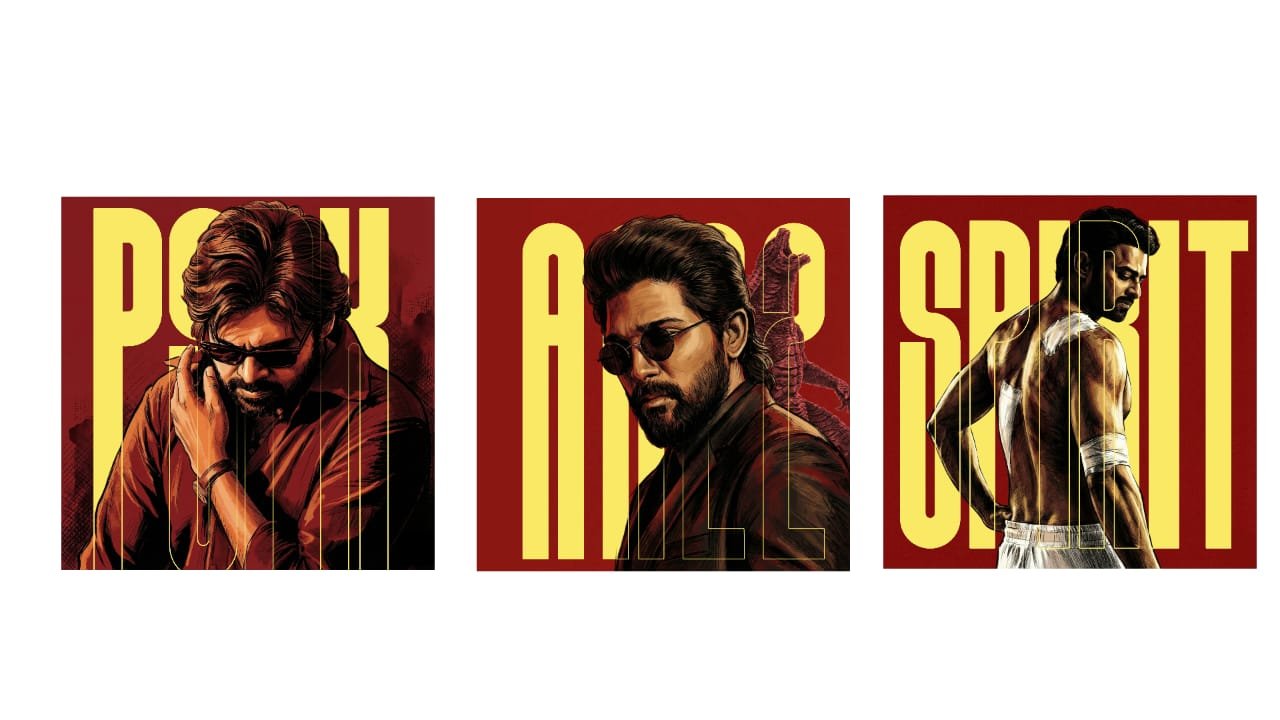
A create uploaded image stylized digital illustration of a mysterious man in a same dress,, with neatly same styled hair. The character looks downward with a calm, intense expression. Dramatic noir lighting with strong shadows, warm highlights, and bold contrast. Hand-drawn sketch texture with visible strokes, painterly ink-and-pencil aesthetic. Deep red solid background, cinematic mood, neo-noir poster style, graphic novel illustration, high detail, gritty yet elegant tone, limited color palette, moody atmosphere.
Optional style enhancers (add if needed): Photo size 1:1
– cinematic poster art
– neo-noir aesthetic
– dramatic chiaroscuro lighting
– grainy texture
– minimalist background
– 4k detailed illustration
Project 2
A Uploaded image create stylized sports poster illustration of a Uploaded image Same Dress same pose. Dramatic painterly brush strokes emphasize muscle definition and texture. Bold graphic design with the word “PEDDI” in large yellow block letters filling the background. Deep red backdrop, high contrast lighting, cinematic shadows, editorial sports magazine style, modern graphic poster art, ultra-detailed, dynamic composition.
Prompt 3
A create uploaded image stylized digital illustration of a mysterious man in a same dress,, with neatly same styled hair. The character looks downward with a calm, intense expression. Dramatic noir lighting with strong shadows, warm highlights, and bold contrast. Hand-drawn sketch texture with visible strokes, painterly ink-and-pencil aesthetic. Deep red solid background, cinematic mood, neo-noir poster style, graphic novel illustration, high detail, gritty yet elegant tone, limited color palette, moody atmosphere.
Optional style enhancers (add if needed):
– cinematic poster art
– neo-noir aesthetic
– dramatic chiaroscuro lighting
– grainy texture
– minimalist background
– 4k detailed illustration















Post Comment