How Income Planning Is Helping People GEMINI45 gemini ai
In 2026, income planning has become a crucial financial skill for people whose earnings are not fixed every month, such as freelancers, gig workers, small business owners, commission-based professionals, and even salaried employees with variable bonuses, because irregular income can easily lead to stress, poor budgeting, and dependence on credit if it is not managed with intention and structure. Income planning focuses on creating stability from variable cash flow by understanding average earnings, prioritizing essential expenses, and building systems that smooth out high and low income periods, allowing people to live confidently even when monthly income changes. One of the first steps in effective income planning is identifying a baseline income, which represents the minimum amount a person can reliably expect over time, and using this baseline to cover fixed expenses such as rent, utilities, food, and insurance, while treating higher-than-average income months as opportunities to build savings rather than increase spending.
In 2026, digital banking and financial apps are making this process easier by providing clear income history, trend analysis, and projections that help people estimate realistic averages instead of guessing, which reduces uncertainty and improves planning accuracy. Many individuals are also adopting the practice of separating income into different purposes as soon as it is received, such as allocating portions for essentials, savings, taxes, and discretionary spending, which prevents accidental overspending during high-income months and protects against shortages during low-income periods. This structured approach transforms unpredictable earnings into a more predictable lifestyle, reducing anxiety and improving financial confidence.
Another important aspect of income planning is building buffers, where people intentionally save surplus income during strong months to cover expenses during weaker ones, creating a personal stabilization fund that acts like a self-made salary system. This buffer allows individuals to maintain consistent spending habits without constantly adjusting their lifestyle to income fluctuations, which is especially valuable for mental well-being and long-term planning. In 2026, many people are also using income planning to manage taxes more effectively, as irregular earners often face uneven tax obligations, and setting aside money consistently prevents last-minute pressure and financial strain when payments are due.
Income planning also encourages realistic decision-making around commitments, as people who understand their true earning capacity are less likely to take on obligations that depend on best-case income scenarios, reducing the risk of debt and stress. Families benefit from this approach by gaining clarity around what level of spending is sustainable, improving communication and cooperation around financial goals. For entrepreneurs and freelancers, income planning provides the confidence to focus on growth and skill development rather than constantly worrying about month-to-month survival.
Over time, consistent income planning builds resilience, as individuals become better equipped to handle slow periods, unexpected expenses, or changes in work without panic, and this resilience supports healthier long-term financial habits such as saving, investing, and goal planning. In 2026, people are learning that financial stability does not require perfectly stable income, but rather a thoughtful system that adapts to variability, and by mastering income planning, they are turning irregular earnings into a manageable and even empowering financial reality.
Prompt 1
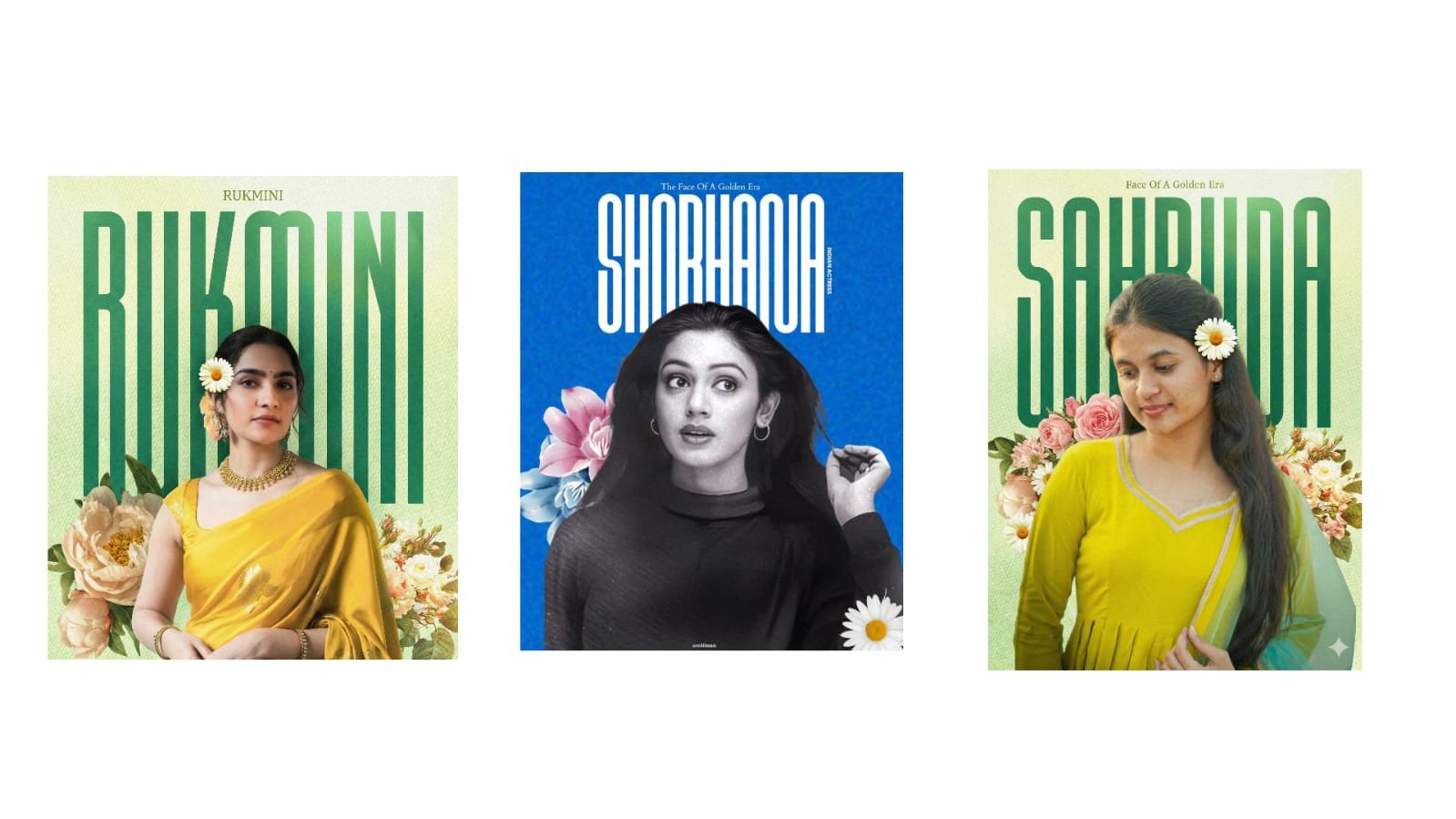
A uploaded image create A vintage-style magazine cover featuring a South Asian woman wearing an emerald a uploaded image same dress with gold embroidery. She has shoulder-length black hair parted naturally, a small red bindi on her forehead, and a white daisy tucked behind one ear. A uploaded image Her expression is glancing slightly to the side. The background is a soft pastel matching background with a subtle paper texture, decorated with blooming flowers around her shoulders. Bold retro typography behind her spells “THANMAI” in tall green letters. Editorial fashion photography, soft studio lighting, warm skin tones, elegant and nostalgic mood, 1970s-inspired design, high detail, cinematic composition, magazine cover aesthetic. Cinematic poster texture Photo size 4:5
Prompt 2
A uploaded image create A vintage-style magazine cover featuring a South Asian woman wearing an emerald green silk sari with gold embroidery. She has shoulder-length black hair parted naturally, a small red bindi on her forehead, and a white daisy tucked behind one ear. Her expression is playful, lips pursed as if blowing a kiss, eyes glancing slightly to the side. The background is a soft pastel green with a subtle paper texture, decorated with blooming flowers around her shoulders. Bold retro typography behind her spells “RUKMINI” in tall green letters. Editorial fashion photography, soft studio lighting, warm skin tones, elegant and nostalgic mood, 1970s-inspired design, high detail, cinematic composition, magazine cover aesthetic. Photo size 4:5
Prompt 3
A uploaded image create A cinematic editorial poster of a classic upload photo same dress, black-and-white portrait with soft grain texture, expressive eyes looking slightly to the side, natural makeup, hoop earrings, flowing hair gently lifted by hand. Subject placed against a deep royal blue textured background. Subtle floral elements (pink and white flowers) layered around the portrait for elegance. Minimalist, high-fashion magazine cover style. Bold tall condensed typography in white behind the subject spelling the name,(THAMAI) modern vertical layout. Soft studio lighting, timeless 90s Indian cinema aesthetic, refined, graceful, iconic.














Post Comment